What we’re hearing from clients—and why it’s worth paying attention
Running a restaurant today involves far more than menus and margins. It’s about meeting evolving guest expectations, managing increasingly complex operations across multiple locations, and adapting quickly as market conditions shift. And more often than not, it's about whether your technology can support that kind of agility.
In our work with restaurant operators across segments and sizes, we’ve seen a consistent pattern: the technology conversation doesn’t start with features—it starts with friction. So how do leaders know when it's time to modernize their tech stack? Based on what we’re hearing from our clients, here are five signals that tend to surface first.
1. Manual processes are eating into strategy
From reconciling sales reports to building weekly staff schedules, many teams are still spending hours on tasks that could—and should—be automated. This isn’t just a time drain; it increases the risk of human error, reduces morale, and distracts managers from guest-facing priorities.
In fact, as reported by Fast Casual, restaurants using smart technology have seen measurable improvements in labor efficiency, inventory accuracy, and food cost control—three levers with major impact on the bottom line (FastCasual.com, 2024).
What we recommend: Look for a platform that eliminates redundant tasks and connects workflows across teams. Automation isn’t about replacing people—it’s about giving them time back to lead, serve, and strategize.
2. Systems don’t play nice together
We often hear from operators juggling multiple tools—POS, loyalty, delivery platforms, inventory management systems—none of which fully integrate. The result? Fragmented data, duplicated effort, and a lack of confidence in the numbers.
When every question requires a cross-reference between tools or a manually built spreadsheet, it slows down even the best-run teams.
What we recommend: Visibility is foundational to scale. Unified platforms create a single source of truth, allowing leaders to see performance in real time and act with clarity. When the data flows, decisions follow.
3. Guest expectations are changing fast
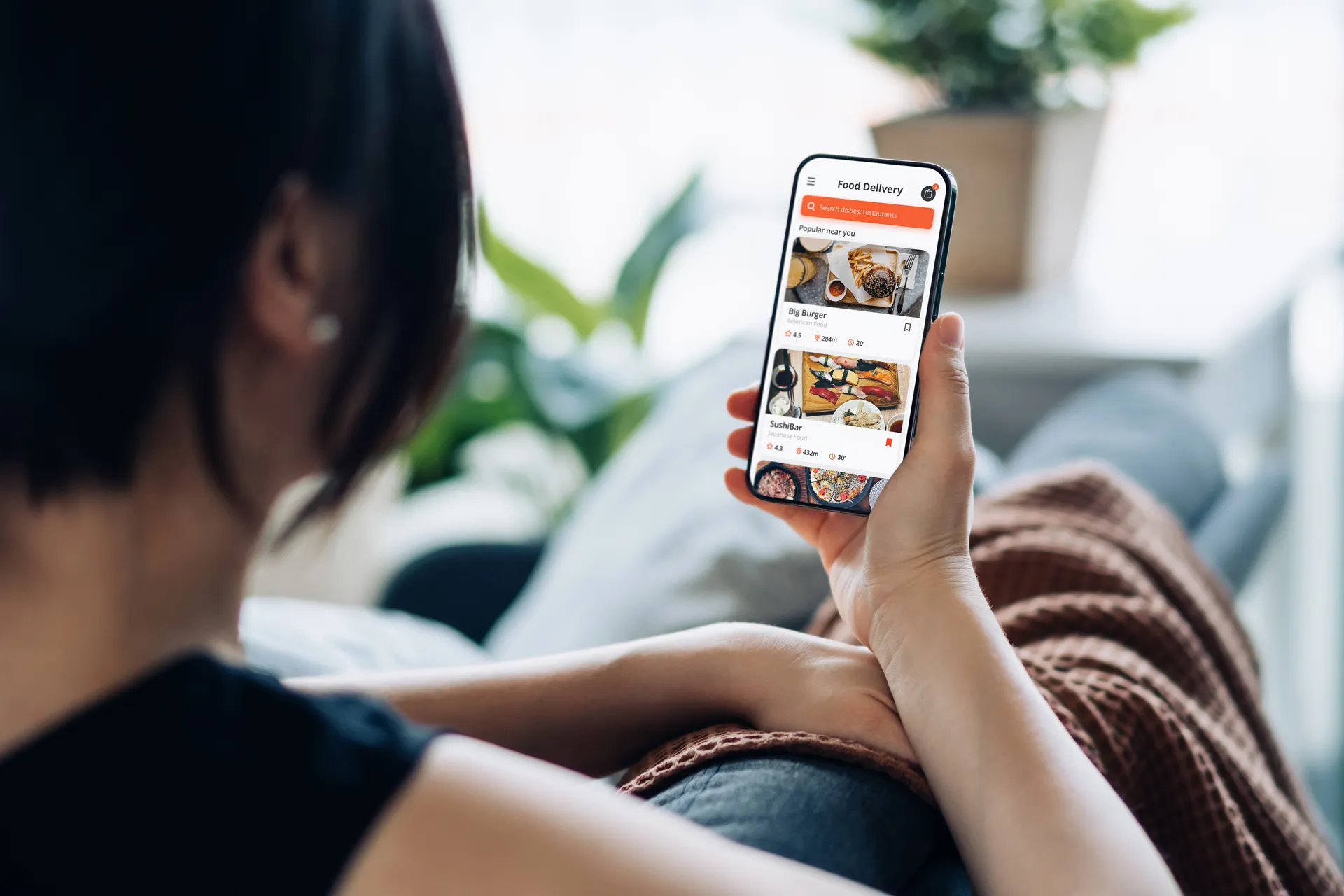
Today’s customers expect speed, personalization, and a seamless experience—whether they’re ordering online, at a kiosk, or in the dining room. The brands that meet those expectations don’t just earn loyalty—they earn repeat business.
And the trend is clear: a 2025 report from NCR Voyix found that 58% of restaurant guests prefer ordering directly from the brand, avoiding third-party apps for a more streamlined, brand-aligned experience (Restaurant Dive, 2025).
What we recommend: Look for platforms that prioritize the guest journey—offering integrated, brand-owned ordering, loyalty, and payment experiences. It’s not about chasing every new trend; it’s about building a foundation that meets guests where they are now—and where they’re headed.
4. Growth is happening—but it’s getting messy
Growth is great—until it breaks your systems. Whether our clients are adding new stores, testing new formats, or expanding into digital service models, the common challenge is the same: too often, the tech can’t keep up.
Legacy tools tend to grow rigid over time, requiring custom workarounds that don’t scale. What starts as innovation quickly turns into operational sprawl.
What we recommend: A modular, cloud-based architecture makes it easier to expand without disruption. Whether you're growing from 10 locations to 50 or launching a new ordering channel, tech should support that journey—not slow it down.
5. Teams are asking for better tools
Frontline employees are often the first to feel the friction: clunky interfaces, inconsistent experiences from store to store, and long onboarding times. That frustration can lead to inefficiencies, morale issues, and higher turnover.
We’ve seen that when brands invest in tech that’s intuitive, reliable, and designed with the end-user in mind, the impact is immediate—on both service quality and employee retention.
What we recommend: Prioritize systems your team actually wants to use. A strong tech stack isn’t just a back-office asset—it’s a frontline enabler.
Rethinking readiness
Spotting these signs doesn’t mean something’s wrong—it means the organization is ready to evolve. We’ve seen time and again that the most successful restaurant brands don’t wait until their systems break to explore what’s next. They take a proactive approach to modernization, ensuring their operations, guest experience, and growth strategy are all supported by a flexible, future-ready platform.
If you’re asking questions like, Where are we losing time? What’s causing unnecessary workarounds? What would more unified systems unlock for our teams?—you’re already doing the right kind of thinking.
And from what we’ve seen with our clients, that’s where the real transformation begins.
Share this post
Related blog articles
Even more expert insights into important retail and restaurant trends.
How convenience retailers can create seamless fuel-to-store experiences that keep customers coming back
How retailers should split workloads between cloud and edge for real-time store operations
How to reduce shrink at self-checkout with visual AI