Direct answer
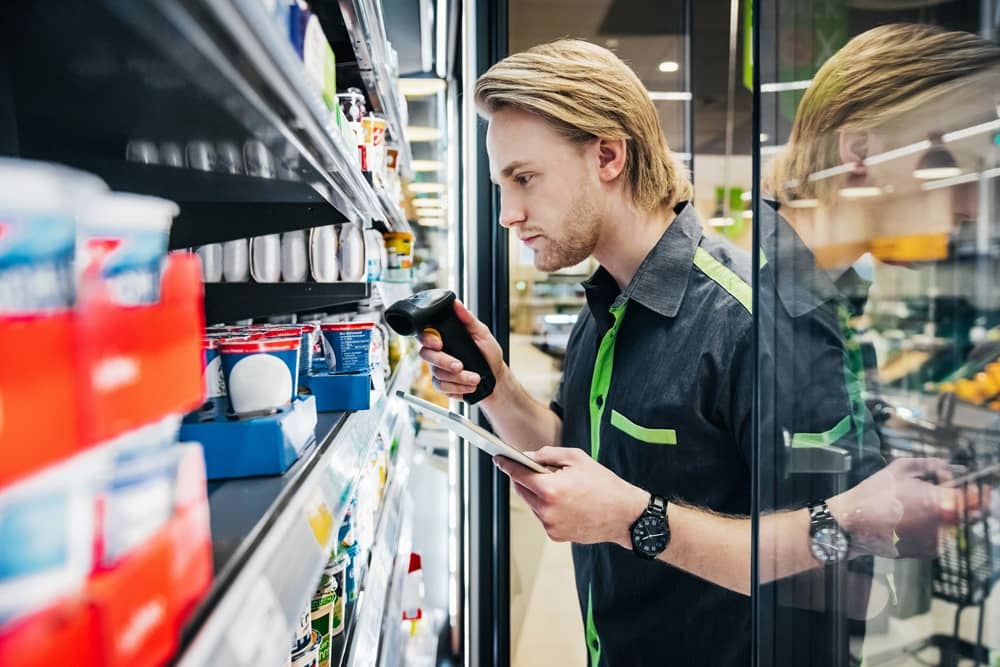
Consumer expectations no longer move on annual planning cycles. They move at the speed of culture. A product trend can emerge overnight, delivery demand can spike in a specific market, and loyalty expectations continue to evolve as customers compare every retail experience they have, not just those in convenience retail.
For convenience and fuel retailers, success depends on the ability to respond to these shifts quickly. The challenge isn't simply keeping up with technology. It's ensuring technology doesn't become the bottleneck. As retailers diversify into foodservice, digital engagement, delivery and new customer experiences, agility has become one of the most important capabilities a business can build. The organizations best positioned for what's next are not necessarily those that predict every change, but those that can adapt when change arrives.
Key takeaways
- Convenience and fuel retailers need the flexibility to respond to emerging trends, local demand shifts and new customer behaviors in real time.
- Long, heavily customized technology projects can limit a retailer's ability to adapt as business priorities change.
- Agility has become a core business requirement, enabling retailers to launch new capabilities, integrate new services and respond to opportunities faster.
- Modern retail technology should be designed to evolve over time rather than remain static for years.
- AI is only the latest example of how quickly the industry can change, reinforcing the need for technology foundations that can adapt to future innovations and disruptions.
A trend can emerge on TikTok and influence demand within days. A regional partnership with a delivery provider can create new revenue opportunities. A sporting event can drive unexpected traffic. Retailers increasingly need systems that allow them to respond quickly instead of waiting for the next planning cycle.
The challenge for convenience and fuel retailers isn't recognizing these opportunities. It's responding quickly enough to capitalize on them.
Consumer expectations have always evolved. What's changed is the speed. Customers are constantly comparing experiences across every industry, not just convenience retail. They expect relevant offers, seamless ordering, loyalty experiences that feel connected, and increasingly, the ability to engage with retailers wherever and however they choose.
For convenience and fuel retailers, that creates a new reality. Agility is no longer a competitive advantage reserved for industry leaders. It's becoming a business requirement.
And as I've spent the last two years working more closely with retailers across the convenience and fuel industry, I've come to believe that one of the biggest obstacles to agility isn't a lack of ideas. It's the way retail technology has historically been designed, deployed and maintained.
Retailers are being asked to respond faster than ever
The modern convenience retail business looks very different than it did even a few years ago.
Many operators are balancing fuel, convenience retail, foodservice, digital ordering, loyalty, and delivery partnerships within the same business. Each of those areas creates new opportunities to engage customers, but also new complexity.
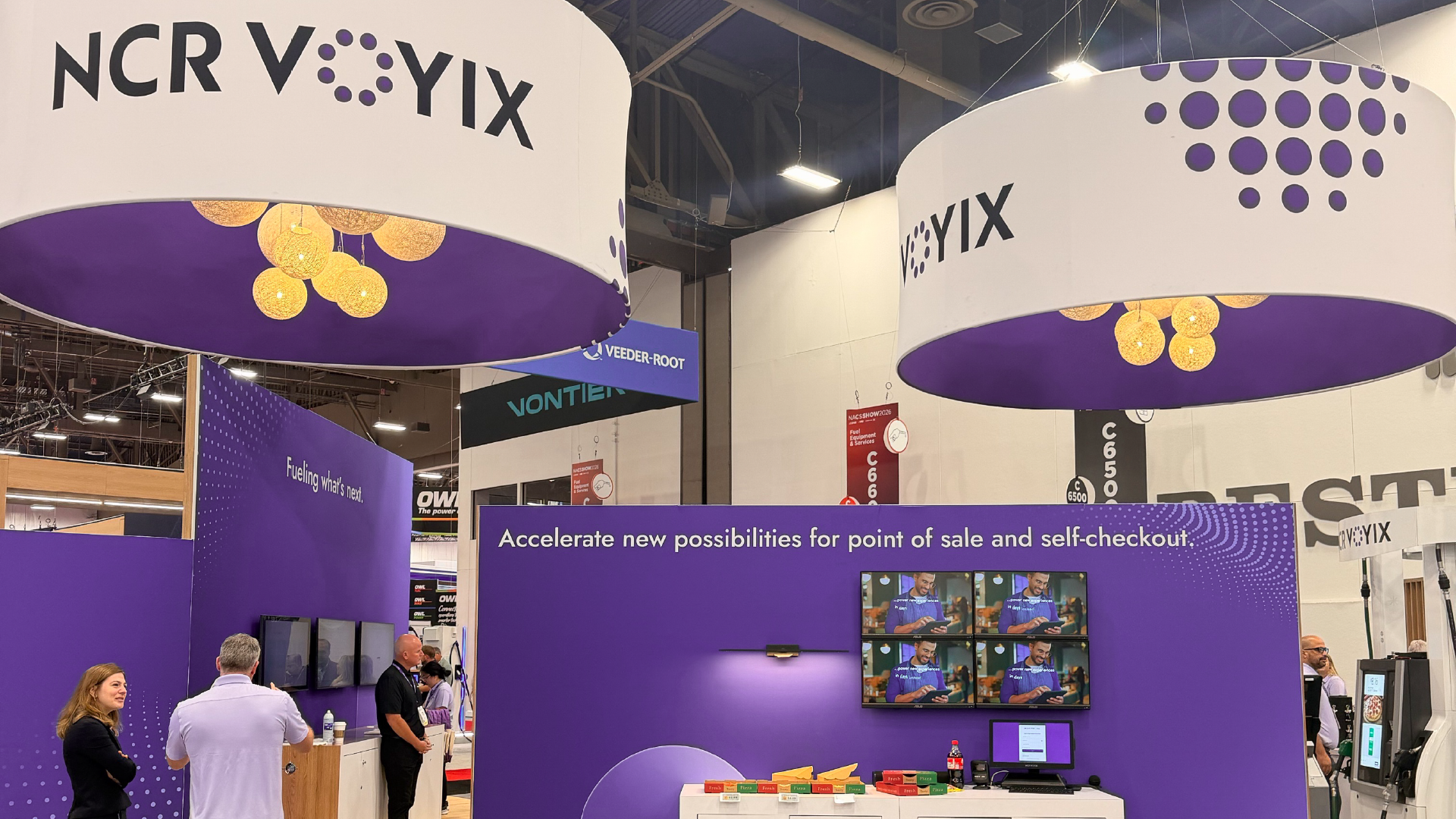
As I shared during a recent discussion at NACS, the industry's focus on diversification continues to accelerate. That shift has prompted retailers to think differently about how they connect every part of the customer journey. Retailers are looking at everything from the supply chain to loyalty programs and yes, even e-com solutions as well.
What's driving that urgency isn't technology for technology's sake. It's the need to keep pace with consumers.
Today's customers might discover a product through social media and expect it to be available immediately. They may want delivery through Uber Eats or DoorDash. They might engage through a loyalty program, mobile app or digital channel first and visit the store later.
Retailers need the ability to adapt to those changing behaviors as they happen. The retailers that can move quickly have an opportunity to capture demand when it emerges. Those that can't often find themselves reacting after the moment has passed.
The problem with yesterday's technology model
The challenge is that many technology environments were built for a different era.
Historically, retail technology prioritized stability above all else. Businesses could spend months gathering requirements, designing customizations and planning deployments because market conditions weren't changing as rapidly.
That model is increasingly under pressure. The approach that has historically defined much of the industry starts with a blank sheet of paper. We write down a whole list of requirements. Create a schedule of work. Then, we negotiate the customizations and the price. It’s not unrealistic to see the process taking two years, and invariably, it would be late.
The issue isn't simply that long projects are frustrating. It's that customer expectations don't wait for implementation timelines.
A retailer's priorities can shift dramatically in two years. A new business opportunity can emerge in two months. Consumer behavior can change in a matter of weeks. When the pace of change accelerates, organizations need technology that can evolve alongside the business rather than forcing the business to wait for the technology.
Why agility has become a design principle
One of the most important lessons I've learned over the last several years is that retailers see flexibility is just as important as functionality.
Features matter. Reliability matters. Scale matters.
But agility matters too.
Retailers want the ability to introduce new capabilities, integrate new solutions and respond to changing customer expectations without starting over every time the market shifts.
That's why our thinking around retail technology has evolved.
Historically, many technology providers, including those across our industry, operated from a one-stop-shop philosophy. But retailers need the flexibility to connect new solutions, services and partners as their business evolves.
The goal isn't to predict every future requirement. The goal is to build an environment capable of adapting when those requirements inevitably change.
Ultimately, this became one of the foundational principles behind our modernization efforts. Agility is a fundamental.
Building for a future no one can fully predict
AI is a good example of why this matters.
A few years ago, most retailers weren't evaluating how generative AI, computer vision or agentic search might impact customer engagement. Today, those conversations are happening across the industry.
The lesson isn't that every retailer needs to chase the latest technology trend. It's that the next major shift is rarely obvious until it's already underway.
As technology providers, our role is not to predict every future use case. Our role is to help retailers position themselves to take advantage of new opportunities when they emerge.
The goal isn't predicting the next disruption. It's being prepared when it arrives.
Convenience retail increasingly moves at the speed of culture. The retailers that thrive won't be the ones that accurately predict every change. They'll be the ones that can respond when it matters most.
Frequently asked questions
Why has agility become such an importantpriority for convenience and fuel retailers?
Consumerexpectations, digital engagement, delivery services and foodservice operationsare evolving faster than ever. Retailers must be able to respond quickly tochanging market conditions, customer preferences and emerging opportunities.Agility helps businesses adapt without disrupting operations or delayinginnovation.
How are customer expectations changing forconvenience and fuel retailers?
Customersincreasingly expect seamless experiences across physical stores, mobile apps,loyalty programs and delivery channels. They also expect retailers to respondquickly to evolving trends, offer relevant promotions and provide consistentexperiences regardless of how they choose to interact with the brand.
Why are traditional technology deploymentmodels becoming more challenging?
Historically,many retail technology projects were designed around long planning cycles andextensive customization. Today's retail environment changes much more quickly.By the time a lengthy deployment is complete, business priorities, customerexpectations and market opportunities may have already evolved.
How can retailers better prepare for futurechanges in the industry?
Ratherthan attempting to predict every future trend, retailers should focus onbuilding flexible foundations that support continuous adaptation. This allowsbusinesses to evaluate and adopt new capabilities, partnerships andtechnologies as opportunities emerge.
How does AI fit into the conversation aroundagility?
AIis one example of how quickly the retail landscape can change. While specifictechnologies will continue to evolve, retailers that have built flexibletechnology foundations are often better positioned to evaluate, adopt andbenefit from emerging innovations as they become relevant to their business.
Share this post
Related blog articles
Even more expert insights into important retail and restaurant trends.

Why Compliance and Age Verification Are the Next Frontier of Frictionless Commerce

Retail Innovation Shouldn't Require Reinvention